





VW ID.4 vs. Toyota bZ: Denver Electric SUV Comparison
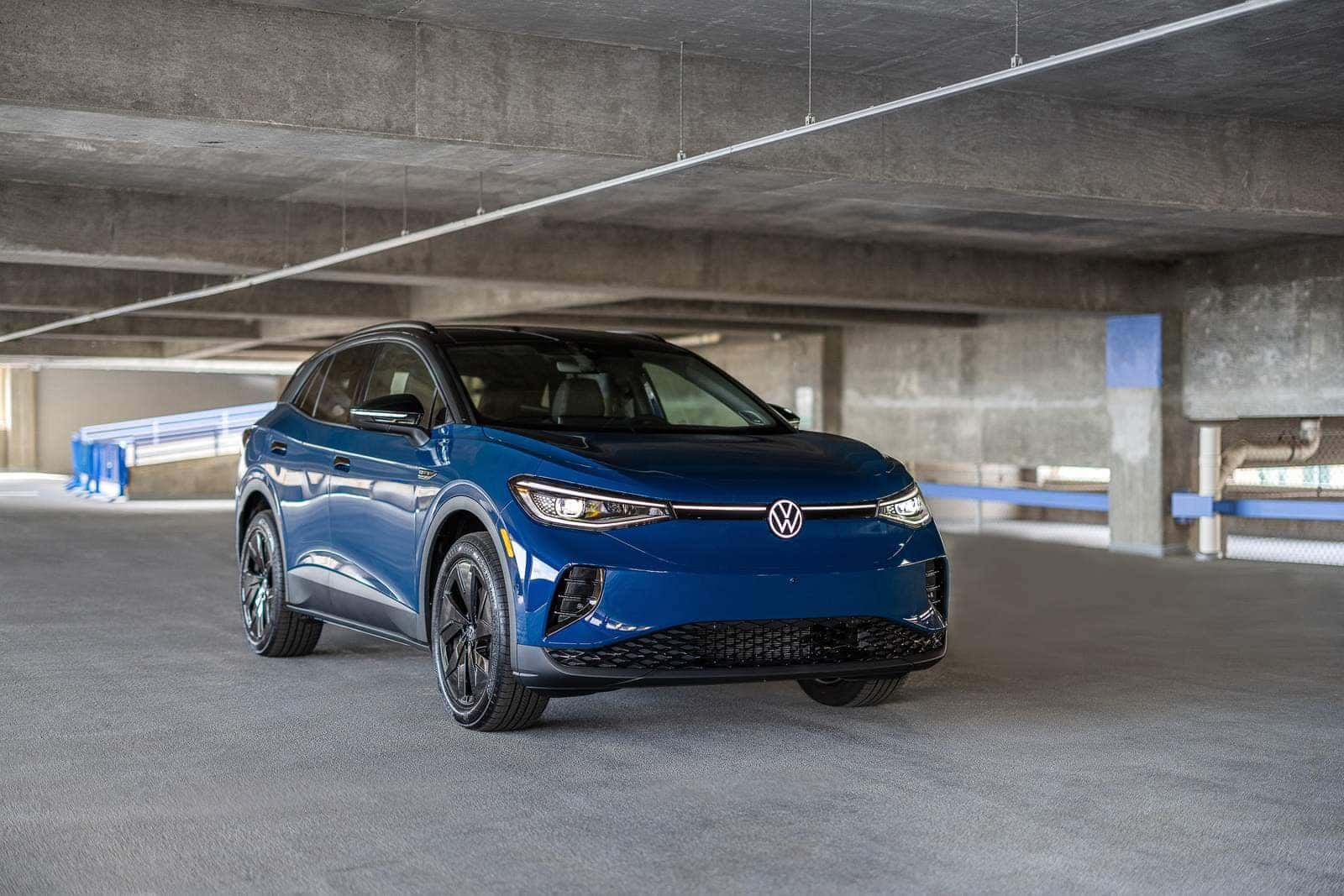
The refreshed Toyota bZ adds range, power, and a native NACS port at a low price. The ID.4 charges faster and carries more. Two very different takes on the everyday electric SUV — compared for Denver.
2026 ID.4 vs. 2027 Toyota bZ at a Glance
The Toyota bZ (the renamed, updated bZ4X) brings a low starting price, a longer maximum range, strong efficiency, native NACS charging, and Toyota’s reliability reputation. The ID.4 answers with faster charging and more cargo. Both are sensible EVs; the details decide it.
Toyota bZ figures reflect the 2027 model year (the renamed, refreshed bZ4X). Ranges reflect each brand’s longer-range front- or rear-drive trim; efficiency figures are best-trim.
Efficient and Affordable vs. Faster-Charging and Roomier
For 2027, Toyota renamed the bZ4X to simply bZ and gave it real upgrades: more range (up to 314 miles), more power, quicker home AC charging, and a factory native NACS port for adapter-free Supercharging. It starts around $34,980, it is efficient, and it comes with Toyota’s reliability track record and a 10-year battery-capacity warranty.
The ID.4 answers with the fundamentals it does well. It charges faster on DC power — up to 175 kW versus the bZ’s roughly 150 kW — and it carries noticeably more cargo (64.6 vs 56.9 cubic feet). Its AWD models also make more horsepower.
So the bZ leads on price, range, efficiency, and adapter-free charging access, while the ID.4 leads on charging speed, cargo, and power. Both include Apple CarPlay and Android Auto. It is a close, sensible matchup that comes down to which handful of strengths you value most.
Full Specification Comparison
| Specification | 2026 VW ID.4 | 2027 Toyota bZ |
|---|---|---|
| Starting MSRP | $45,095 | $34,980 |
| Drivetrain | RWD or AWD | FWD or AWD |
| Usable Battery | 82 kWh | 57.7 or 74.7 kWh |
| EPA Range (max) | 291 mi | 314 mi |
| Horsepower (AWD) | 335 hp | 338 hp |
| Peak DC Fast Charging | 175 kW | 150 kW |
| MPGe (combined) | up to 113 | up to 130 |
| Max Cargo Volume | 64.6 cu ft | 56.9 cu ft |
| Apple CarPlay / Android Auto | Standard (wireless) | Standard |
| EV Battery Warranty | 8 yr / 100,000 mi | 8 yr / 100,000 mi (+10 yr capacity) |
| Fast-Charge Port | CCS + NACS adapter | Native NACS |
The bZ leads on price, range, efficiency, charging access, and battery-capacity coverage; the ID.4 leads on charging speed, cargo, and battery size. AWD power is essentially even.
Where Each Electric SUV Pulls Ahead
The bZ travels farther and sips less energy, while the ID.4 charges faster on DC power and carries more. Power is a near tie in all-wheel drive.
Why Denver Drivers Pick the 2026 ID.4
Faster DC charging
Up to 175 kW versus about 150 kW means the ID.4 spends less time at the charger on a road trip.
More cargo room
64.6 cubic feet of max cargo tops the bZ’s 56.9 — useful space for gear and grocery runs.
A bigger battery and strong AWD
An 82 kWh pack and available 335 horsepower give the ID.4 muscle to match its size.
Comfort and local support
A quiet, comfort-tuned cabin plus Colorado EV incentives and Denver service at Emich.
A Calm, Spacious Cabin With the Tech You Actually Use
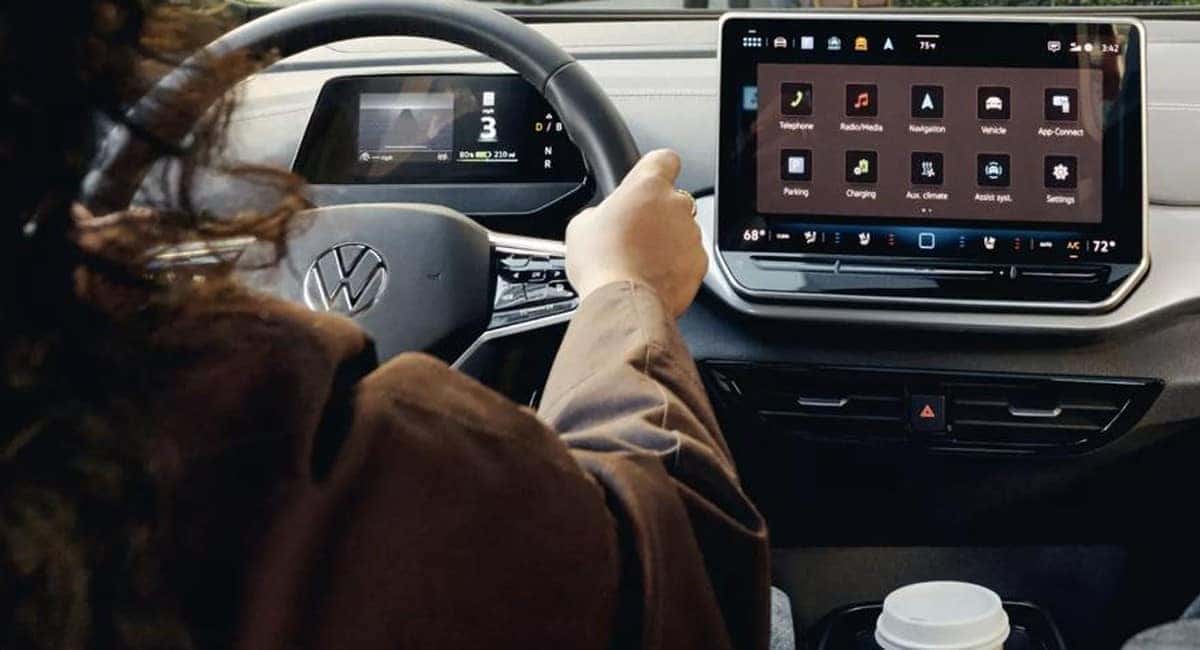
Inside, the ID.4 leans into comfort. The driving position sits high and open, the seats are supportive on a long I-70 run, and VW keeps the cabin genuinely quiet at highway speed. A standard 12.9-inch touchscreen anchors the dash, and, unlike several rivals, the ID.4 keeps standard wireless Apple CarPlay and Android Auto so your own phone stays the hub.
Behind the second row you get 30.3 cubic feet of cargo, expanding to 64.6 cubic feet with the seats folded — one of the roomier holds in the segment. Standard IQ.DRIVE driver assistance, a heat pump on most builds, and VW build quality round out a cabin that feels engineered for daily Colorado driving rather than a spec sheet.
How the ID.4 Compares to the Toyota bZ
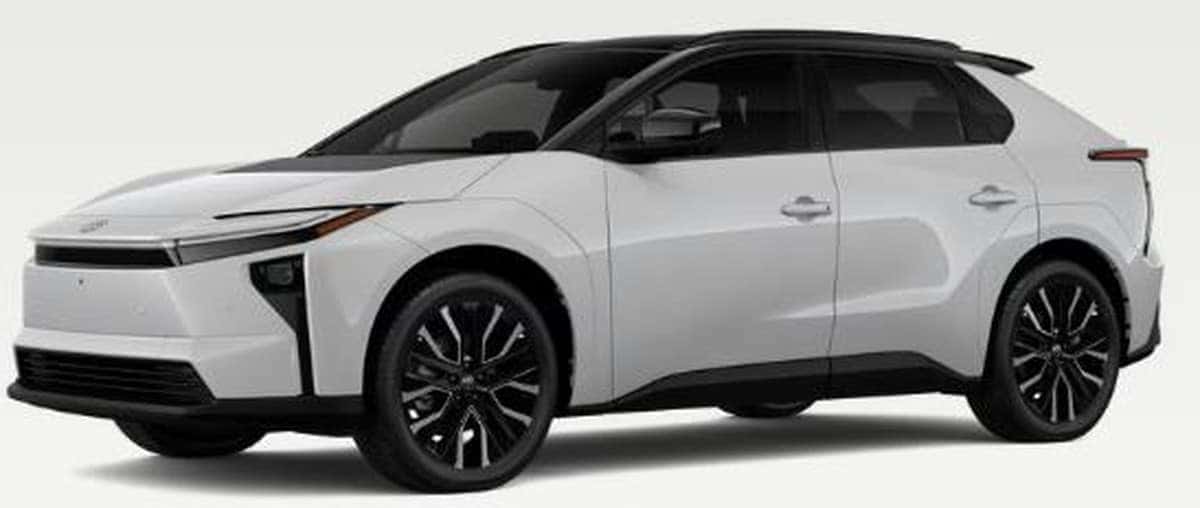
The 2027 Toyota bZ is a much-improved EV. The rename comes with more range (up to 314 miles), more power, quicker home charging, and a factory native NACS port that plugs straight into Tesla Superchargers — all starting around $34,980, with Toyota reliability and a 10-year battery-capacity warranty behind it.
Where the ID.4 answers is charging speed and space: 175 kW DC charging versus the bZ’s roughly 150 kW, and 64.6 cubic feet of maximum cargo versus 56.9. If price, range, efficiency, and adapter-free charging lead your list, the bZ is a smart buy; if charging speed and cargo room matter more, the ID.4 makes the stronger case.
Which Electric SUV Is Right for You?
Choose the 2026 Volkswagen ID.4 if…
You want faster DC charging, more cargo room, a bigger battery, and a comfort-tuned cabin, with Colorado EV incentives and hands-on service at a local Denver dealer.
Consider the 2027 Toyota bZ if…
You want the lowest price and longest range in this pair, prize efficiency and adapter-free NACS charging, and lean on Toyota’s reliability reputation and battery-capacity warranty.
See the 2026 ID.4 for Yourself in Denver
Emich Volkswagen keeps 2026 ID.4 Pro and Pro S models in stock in Denver, and Colorado EV incentives plus current VW bonuses make the electric SUV far more affordable than its sticker suggests. Come drive one.
Toyota and bZ are trademarks of Toyota Motor Corporation. bZ figures reflect the 2027 model year (the refreshed bZ4X). Comparisons use manufacturer-published data and are for shopping research only. Specifications and pricing are subject to change; see Emich Volkswagen for current details.